Acacia wood is widely used in the production of wooden pallets, industrial packaging, and various wood products thanks to its affordable price and stable supply. However, in practice, some products may warp or crack after a period of use, often because the characteristics of this wood species are not fully understood.
So, what is acacia wood, what are its advantages and disadvantages, and is it the right choice for your needs? This article provides everything you need to know before making a decision.
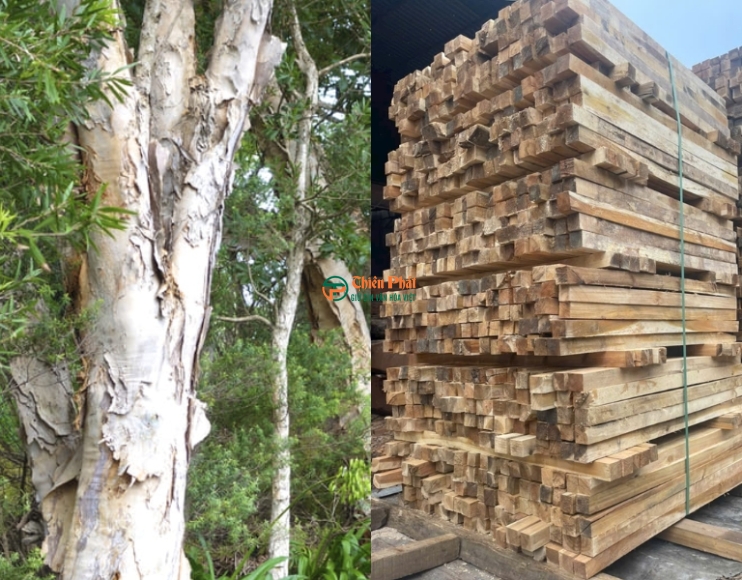
Acacia wood is harvested from Acacia trees, one of the most widely cultivated plantation tree species in Vietnam, especially in the southern provinces. Thanks to its rapid growth, easy cultivation, and excellent adaptability to different climates, acacia timber is abundant and consistently available.
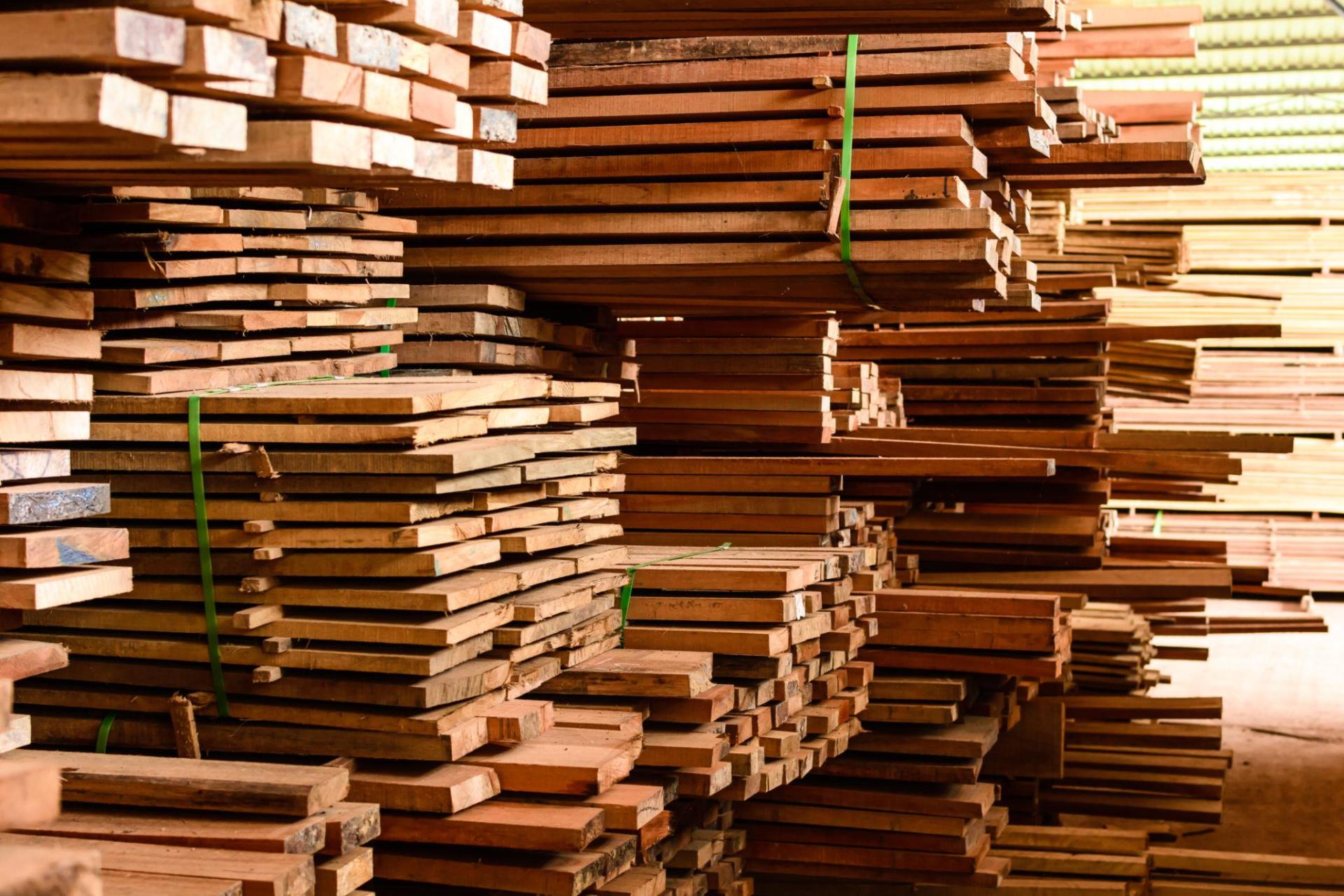
In manufacturing, acacia wood is commonly used for wooden pallets, packing crates, industrial processing, and various budget-friendly furniture products. Its cost-effectiveness makes it a popular choice for manufacturers looking to optimize production costs.
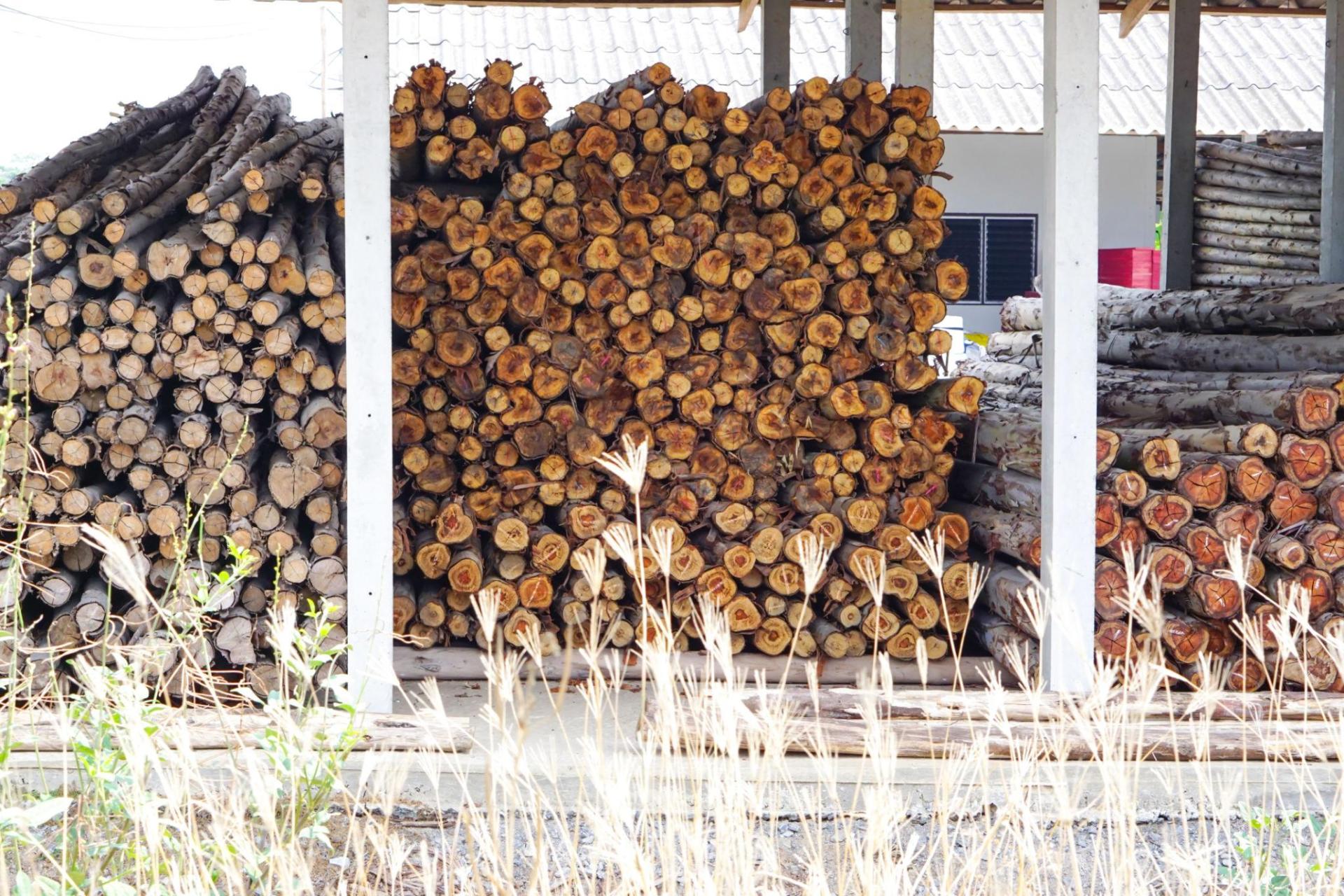
Compared with many long-growth hardwood species, acacia wood is relatively lightweight, making transportation and processing more convenient. Its color typically ranges from light yellow to light brown, with a fairly straight grain and minimal prominent patterns, giving it a simple, natural appearance.
Because the wood is not extremely hard, it can be cut, sawed, and machined efficiently. This is one of the reasons why many manufacturers choose acacia wood for mass-produced products such as pallets and wooden crates.
To ensure stability, acacia wood should be properly kiln-dried and treated before manufacturing.
In practice, its moisture content is usually controlled at 18–20%. At this moisture level, the wood is much less likely to warp or crack during use.
Most issues associated with acacia wood are not caused by the material itself but rather by improper drying or processing before production.
Acacia wood offers several notable benefits:
Related Articles:
Despite its advantages, acacia wood also has some limitations.
If it is not properly kiln-dried or its moisture content is not adequately controlled, it can warp or crack during use, especially in humid environments.
Compared with dense hardwood species, acacia wood has moderate strength and durability. Therefore, it is not the best option for products requiring heavy load-bearing capacity or long-term durability.
In addition, the quality of acacia wood on the market can vary significantly depending on the supplier and processing methods.
The answer depends less on whether acacia wood is "good" and more on whether it is used for the right purpose.
Acacia wood is an excellent choice for:
For these applications, acacia wood offers excellent value thanks to its reasonable price, ease of processing, and reliable performance.
You may want to consider other wood species if your products require:
In these cases, hardwood species or specially treated wood will generally provide better long-term performance.
Acacia wood is a plantation-grown timber known for its affordable price, stable supply, and versatile applications. Although it has certain limitations in durability and moisture resistance, it remains an excellent solution for many manufacturing needs when properly dried, treated, and used appropriately.
If you are looking for a reliable source of acacia wood for pallet production or budget-friendly furniture manufacturing, choosing the right supplier can help reduce costs while minimizing production risks.
>>> Contact us today for professional advice on selecting high-quality acacia wood that meets your production requirements and receive a detailed quotation based on your specifications and order quantity.
Acacia wood offers moderate durability. When properly kiln-dried and used indoors, it performs reliably for many applications.
It can warp if the moisture content is too high. Proper drying and moisture control significantly reduce this risk.
Yes. It is suitable for budget-friendly furniture, especially when properly treated before production.
Generally, no. Unless it receives specialized treatment, acacia wood is not recommended for prolonged outdoor exposure because moisture and weather conditions can reduce its lifespan.



![What Is Acacia Wood? Features, Pros & Cons, and Is It a Good Choice? [Latest Update]](https://thienphatwood.com/datafiles/90291/upload/files/gen-n-Logo%20Thi%C3%AAn%20Ph%C3%A1t-01%283%29.png)


![Chia sẻ qua viber bài: What Is Acacia Wood? Features, Pros & Cons, and Is It a Good Choice? [Latest Update]](/images/Viber_inhoa.png)
![Chia sẻ qua reddit bài:What Is Acacia Wood? Features, Pros & Cons, and Is It a Good Choice? [Latest Update]](/images/Reddit.png)